
And down the rabbit hole I went.
But wait, was I still thinking about the sky at all?
The night of the Perseids. Basel-Land, 13 August 2026. Shot on iPhone.
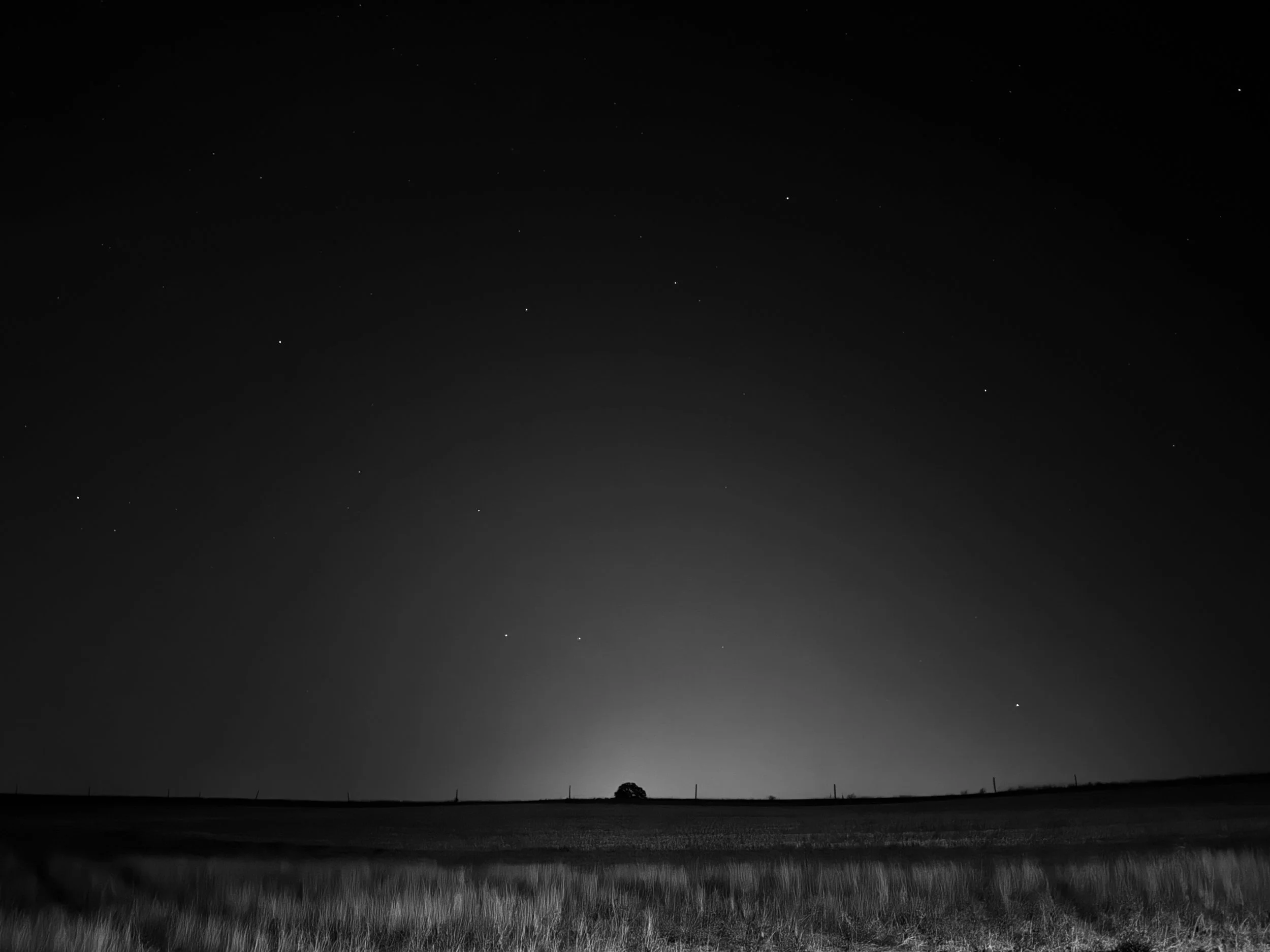
The night of the Perseids. Basel-Land, 13 August 2026. Shot on iPhone.
And down the rabbit hole I went.
But wait, was I still thinking about the sky at all?
The other day I was thinking about existence, life, and gods — these thoughts triggered by the interstellar object 3I Atlas that is visiting our solar system at the time of this writing.

I thought: okay, we just got out of a pandemic, we’re witnessing a live genocide, AI could become Skynet, and now this comet might be an alien mothership?
Suddenly I felt like I was living through all the cinema genres at once.

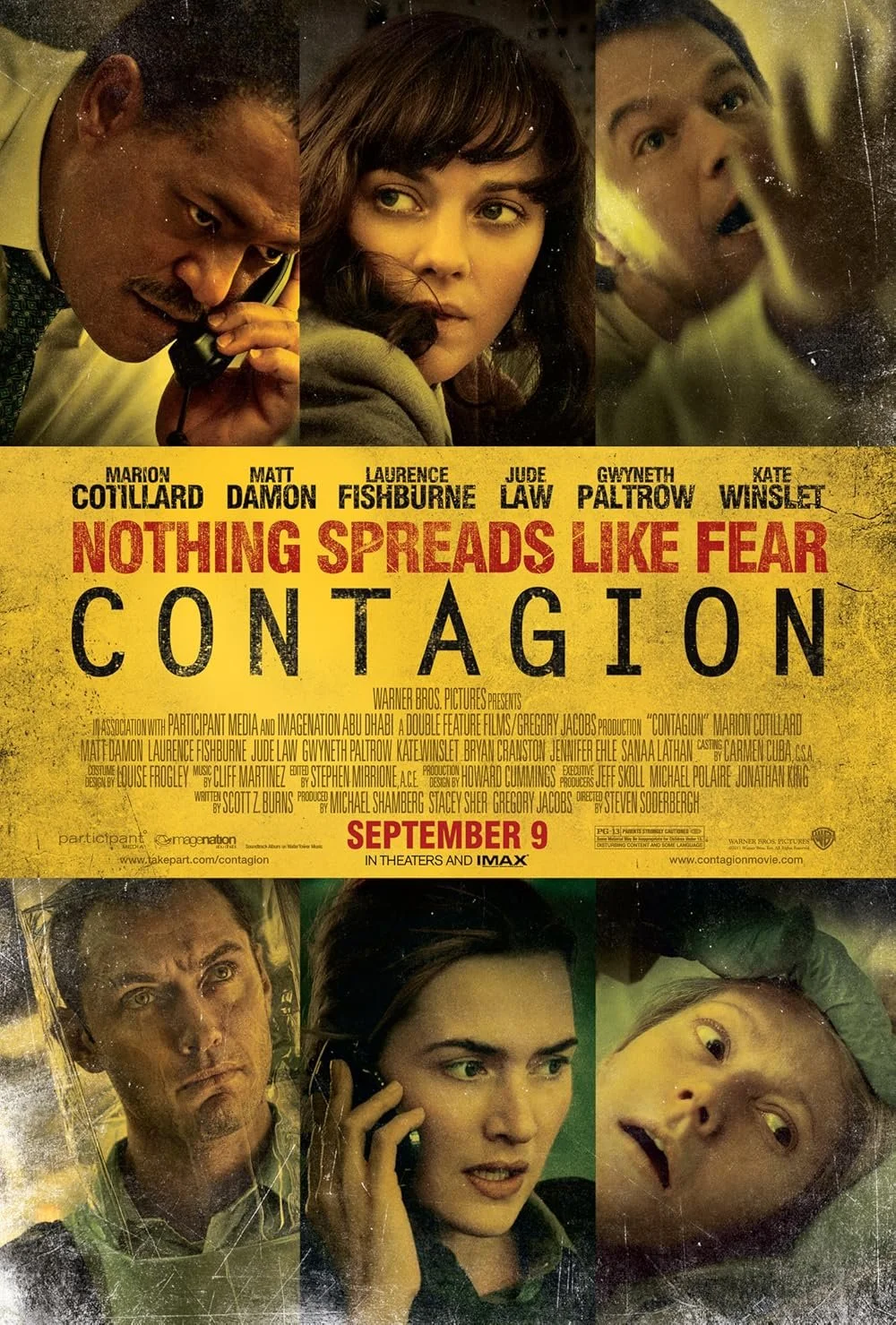
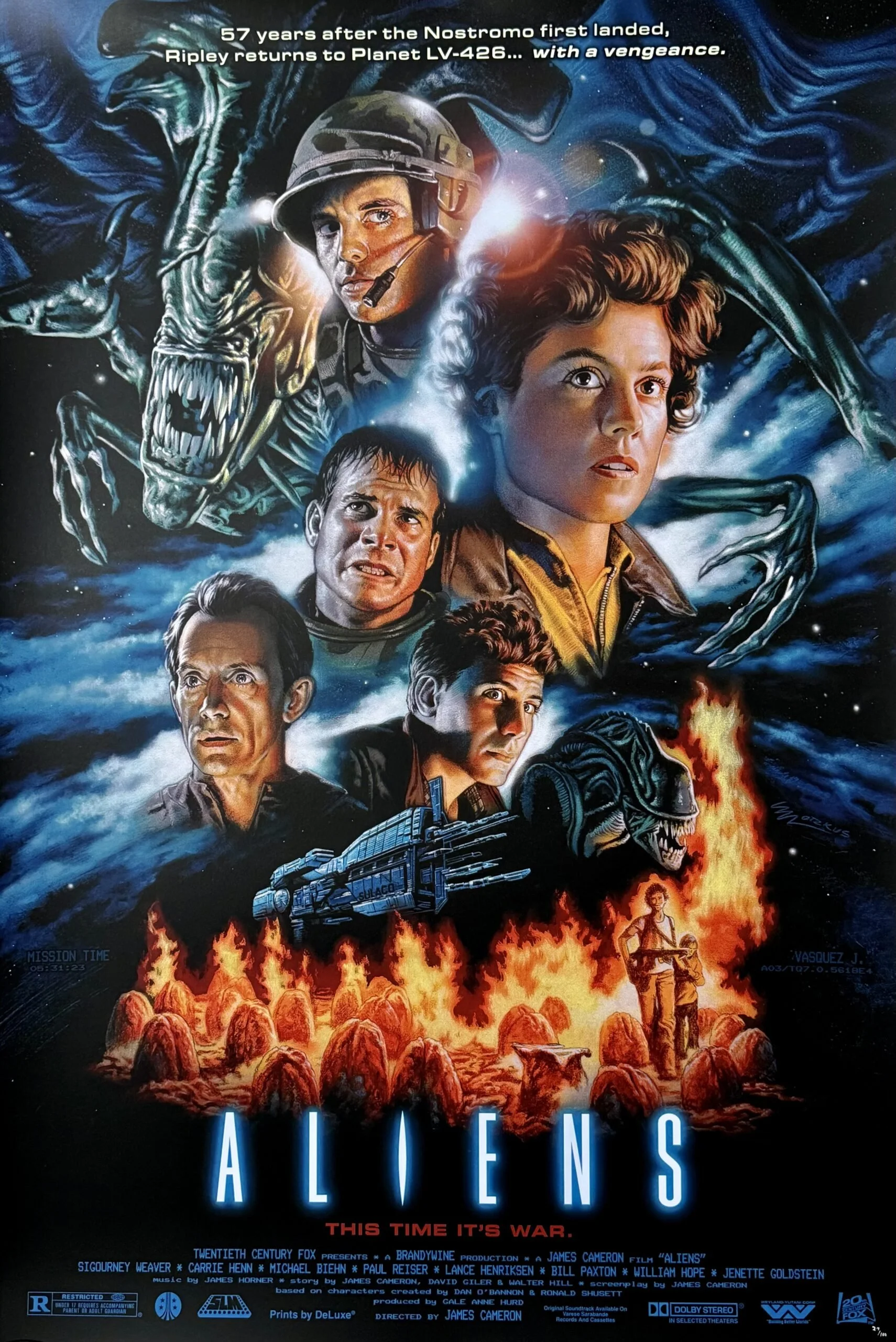

In my curiosity about this object, I saw a video by the scientist Avi Loeb (apparently a genius who is now ruining his reputation by speaking about aliens). In the video, he spoke about all the possibilities of 3I Atlas. It sounded… well… if he’s right? Scary — or at least nuts. An alien mothership!!!
But among all the words he spoke, one caught my attention: he mentioned a common ancestor to all living things on the planet called LUCA. My curiosity skyrocketed.
A common ancestor to all living things — basically the grandpa of humans, animals, plants, all at once? That was born on Earth when Earth looked like hell — red skies, boiling seas — and I’m so ignorant that I had never even heard of this LUCA? And the name sounded so Italian, so familiar.
I wanted to talk about this with someone, but you can’t bring this up easily with your neighbor or colleagues. Even friends are busy nowadays.
So I decided to talk to the only thing that wouldn’t get annoyed by my ignorant yet weirdly igniting questions:
Hi ChatGPT!

Then I started to ask questions that I’d be too embarrassed to ask humans. One is not always emotionally strong enough to risk sounding stupid — even with loved ones.
Questions like:
But wait, this LUCA is something scientists are 100% sure existed?
But did this LUCA have a mother?
But if LUCA existed, is he like the father of life?
The more questions I asked and answers I got, the more LUCA made me laugh.
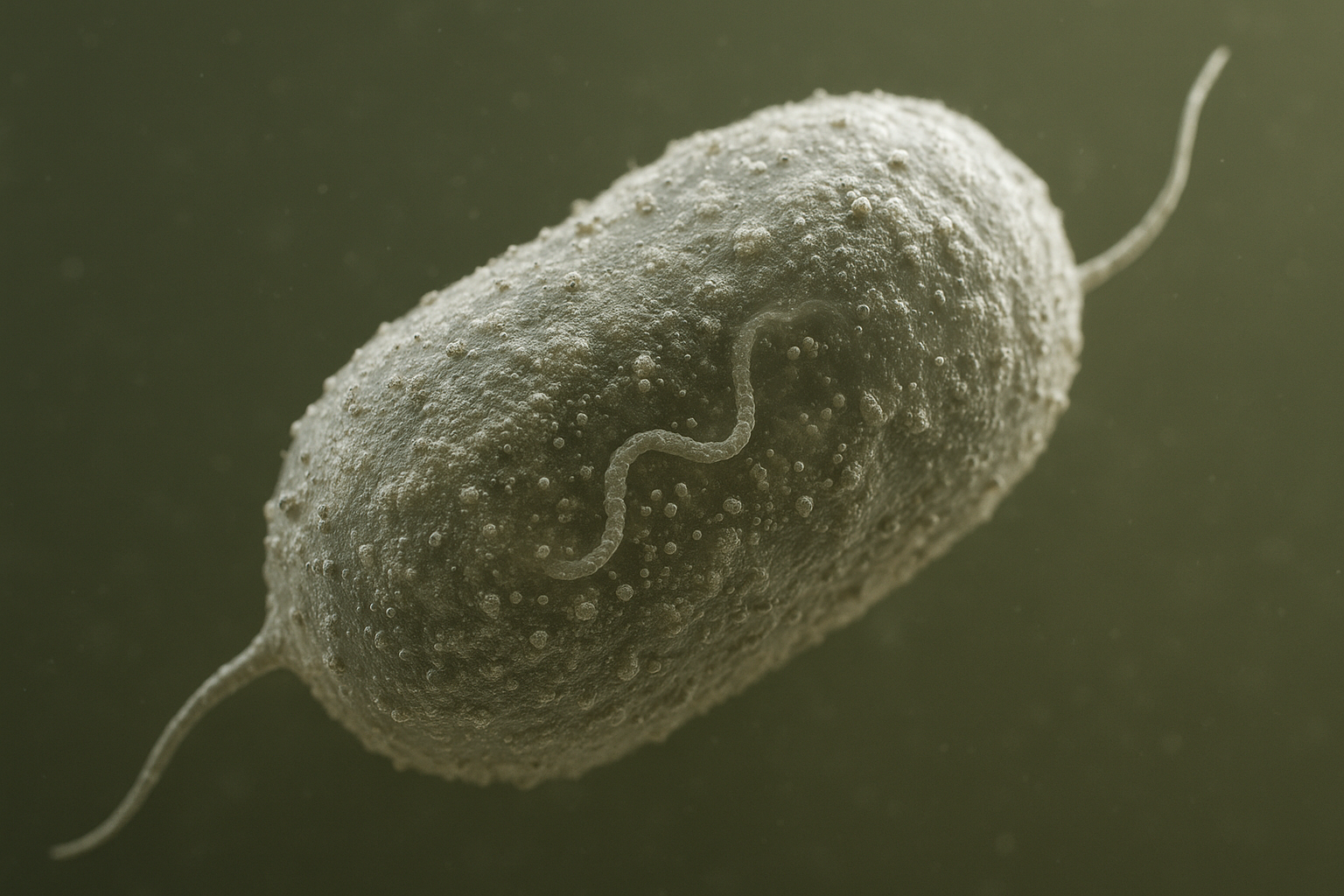
It was “the ancestor of all life,” a kind of “creator,” and it wasn’t a divine giant, but a microbe smaller than a grain of dust, living in a boiling soup.
So wait… LUCA wasn’t born in the middle of light and peace — it was born in the most hostile environment one can imagine.
Yet without knowing and without intention, it created our kind of life.
It adapted to survive while all the other forms of life that existed back then went extinct. It was the only one to make it through. Its physical form vanished, but it stayed engraved in the genes of every single living thing we know.
It’s like a real little god. It lives in each of us — and by example of its own life, it teaches us that the most amazing and unique things can be born in hell. No matter how big our problems get, perhaps there’s always a way to adapt, transform, and be reborn.
We should not run away from difficulty; we should not live only in harmony.
We should not live despite difficulties, but because of them.
Of course, I’m not saying we should stay stagnant and take no action toward our problems — if we do that, we’ll go extinct like LUCA’s colleagues.
But if our tiny grandpa survived hell and provided for all of us, then it’s only in our genes to be capable of enduring our own created hell — our own stupidity — and perhaps even aliens.
By the way, shouldn’t we build some statues to LUCA instead of to politicians and rock stars? Doesn’t it deserve more praise and acknowledgment?
I’m not a sculptor, but I used to draw.
Maybe it’s time to pick up the pencil.
For now, until I find time to draw, this is how it may have looked.

In the last five years, Emperor Marcus Aurelius has been a constant in my life, a role model, impossible to emulate, but always a good Sage by my side.
I know he has been dead for a little while, at least 1845 years, to be accurate.
Information about him could be incomplete, biased, or subject to interpretation. Still, something sure about him is that when he was emperor of Rome, he was the most powerful human being in the world.
In his Meditations (a personal private diary that was not intended to be public), he starts the book by expressing gratitude to all the people who positively impacted his life.
That made me wonder if the most powerful person on the planet, someone that could feel like a god on earth, felt the need to express his gratitude to his mentors and family in a private diary, acknowledging that he would not be the person he was without their influence. It must be that gratitude is an essential trait we humans have, and we should practice it more often.
Read More
As dancers, auditioning processes are inherent to the profession, but somehow, it still needs to be normalized and has room for improvement, for me more on the human side than the system itself.
Read MoreI have always been fascinated by traditions, folklore, and rituals. They allow us to connect with deep inner emotions and other people.
Rituals are part of nature, and not only in humankind; it is proven that animals perform ritualistic behaviors, like elephants that mourn their dead or chimpanzees dancing at waterfalls and heavy rains.
Read More
I am a person, a colleague, and a dancer. My work is usually to help a choreographer create his craft by lending the knowledge of dance and movement stored in my mind and body. Also, a part of that deed is to bond with my colleagues to feel like one organism moving through the black box.
What do I give to myself by doing this?
What do I give to others?
I guess among many things the one that sticks out to me the most is emotion.
I work to feel emotion and to give emotion.
Read More